Every Business Has a Story: What Alia Noor Teaches Entrepreneurs About Compliance, Risk, and Long-Term Growth
Dubai's skyline is often viewed as a symbol of success.
Towering skyscrapers, luxury yachts, world-class infrastructure, and endless opportunities have turned the city into one of the most attractive destinations for entrepreneurs worldwide.
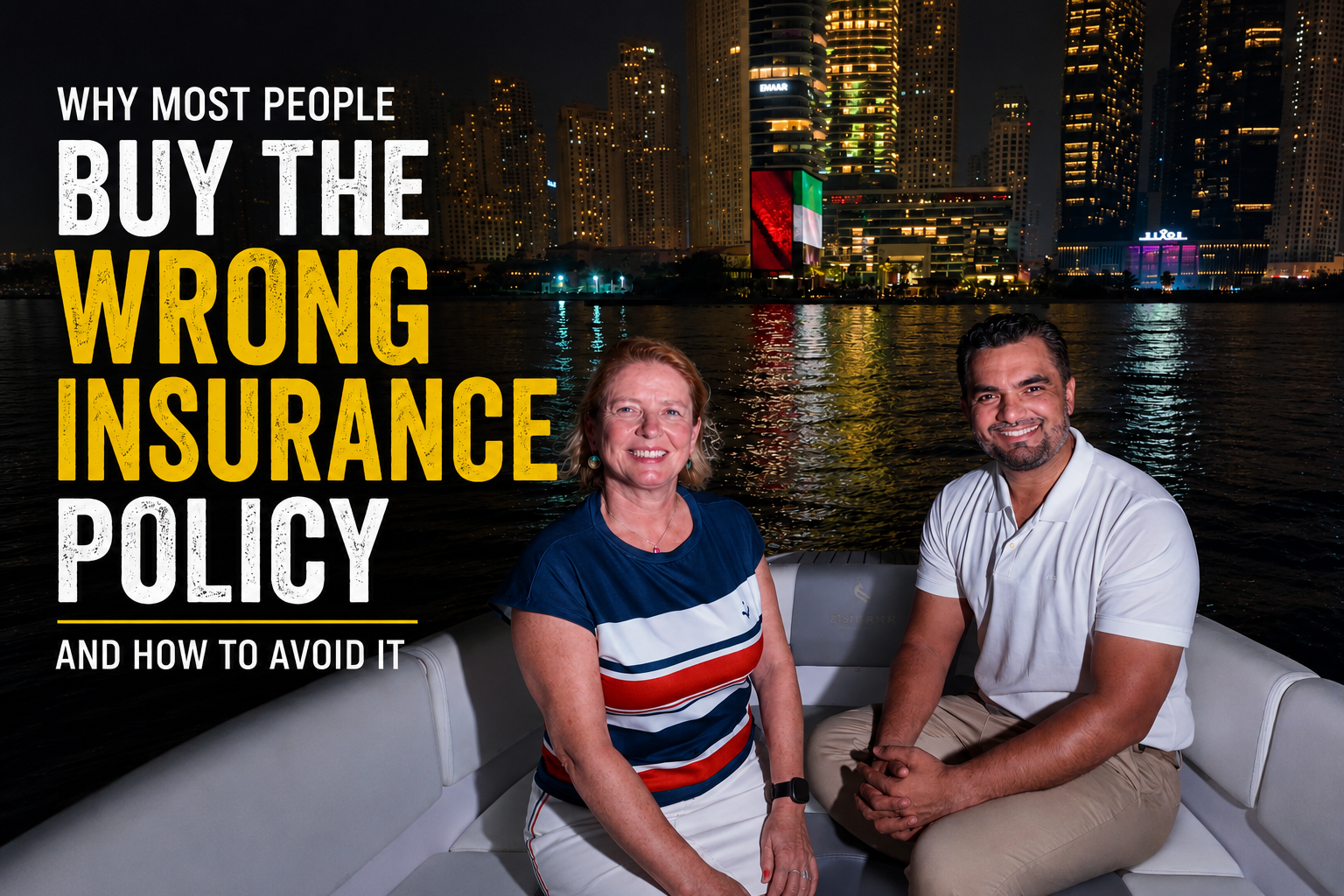
But when Muhammad Kalim sat down with Alia Noor overlooking Dubai Marina for Episode 15 of Boatroom, the conversation quickly moved beyond what people see on the surface.
While most people admire the skyline, Alia sees something different.
She sees investors, governance structures, compliance frameworks, and the systems that quietly support billion-dollar developments.
That perspective became the foundation of a fascinating conversation about entrepreneurship, risk, business growth, and one topic many founders overlook until it's too late: compliance.
What followed wasn't simply a discussion about taxation or regulations.
It was a masterclass on how successful businesses are built, why founders often underestimate risk, and how small decisions today can create major consequences tomorrow.
Most importantly, it reinforced one powerful idea:
"Every business has a story."
The real question is whether your systems, records, and documentation can support that story when someone asks to see them.
Table of Contents
- Looking Beyond Dubai's Skyline
- Why Entrepreneurs Need to Think Like Investigators
- Why Stories Matter More Than Legislation
- The Biggest UAE Business Compliance Misconception
- The Three-Corner Model of Modern Compliance
- The Invisible Elephant in the Room
- The Sparrow Principle and Unintended Consequences
- What AI Means for Modern Entrepreneurs
- The Baby Camel Story and Resistance to Change
- Why Long-Term Thinking Wins
- Small Business Relief Is Not a Permanent Strategy
- Why Documentation Is Becoming a Competitive Advantage
- Key Lessons for Entrepreneurs
- Conclusion
- FAQs
Looking Beyond Dubai's Skyline
One of the most memorable moments of the episode came right at the beginning.
As Muhammad Kalim admired the Dubai skyline, he asked Alia Noor what she saw when looking at the city.
Her answer immediately revealed how differently professionals in compliance think.
"When I see the skyline, I think, what is behind it? The investors, the structure, the governance."
Most entrepreneurs focus on visible success.
Revenue.
Growth.
Customers.
Market share.
But behind every successful business lies something less visible: systems.
Whether it's a startup generating its first sales or a multinational operating across borders, long-term success depends on strong foundations.
The lesson is simple.
Never become so focused on growth that you ignore the structures supporting it.
Why Entrepreneurs Need to Think Like Investigators
Muhammad jokingly suggested that accountants must see the world differently than everyone else.
Alia agreed.
Years of working in audit, taxation, and compliance naturally train professionals to investigate stories.
Whenever someone says a structure is "simple," their instincts immediately tell them there is probably more beneath the surface.
For entrepreneurs, this mindset can be incredibly valuable.
Successful founders ask questions.
They investigate assumptions.
They challenge information.
They seek clarity before making decisions.
The businesses that avoid costly mistakes are often led by people who are curious enough to look beyond appearances.
Why Stories Matter More Than Legislation
One of the strongest insights from the episode was Alia's approach to education.
Instead of overwhelming people with legislation and technical terminology, she focuses on stories.
As she explained:
"People don't remember legislation, but they do remember stories."
This applies to business as much as compliance.
Customers remember stories.
Investors remember stories.
Employees remember stories.
Even financial records tell stories.
Numbers by themselves are data.
Numbers with context become meaningful.
Entrepreneurs who master storytelling often communicate more effectively than those who rely solely on facts and figures.
The Biggest UAE Business Compliance Misconception
When Muhammad asked what international businesses commonly misunderstand about Dubai, Alia delivered one of the most important lessons of the entire episode.
"Most people have a mindset that there is no tax, and if it's tax-free, that means it's compliance-free. The reality is the opposite."
This misconception continues to affect many businesses entering the UAE market.
Historically, entrepreneurs focused heavily on incorporating companies.
Today, regulators are paying greater attention to how businesses operate after incorporation.
The conversation highlighted a crucial reality:
Tax advantages do not eliminate the need for governance, documentation, and operational discipline.
Businesses still need systems.
Businesses still need controls.
Businesses still need accountability.
And those expectations continue to grow.
The Three-Corner Model of Modern Compliance
Alia introduced her own framework called the Three-Corner Model.
This model explains how modern compliance operates through three interconnected areas:
Corporate Tax Compliance
Businesses are expected to maintain proper records and meet their tax obligations.
Anti-Money Laundering Requirements
Regulations continue evolving, requiring businesses and advisors to identify unusual activities and maintain transparency.
Audits and Financial Reporting
Financial reporting provides accountability and helps verify the accuracy of business activities.
Together, these areas form a compliance ecosystem that modern businesses cannot afford to ignore.
The Invisible Elephant in the Room
Every business has difficult conversations it avoids.
Alia referred to these issues as the invisible elephant in the room.
These often include:
- Undocumented transactions
- Missing agreements
- Weak documentation
- Poor record keeping
- Informal arrangements
Many founders believe delaying uncomfortable conversations buys them time.
In reality, it often accelerates consequences.
The longer a problem remains unresolved, the larger it tends to become.
Strong leadership requires confronting issues early.
Not when they become emergencies.
The Sparrow Principle and Unintended Consequences
One of the most fascinating stories from the episode involved what Alia called the Sparrow Principle.
She shared a historical example where authorities attempted to solve one problem by eliminating sparrows.
Initially, the strategy appeared successful.
However, the removal of sparrows disrupted the natural ecosystem, leading to an explosion in pest populations and significantly greater damage.
For entrepreneurs, the lesson is powerful.
Sometimes solving one problem creates a larger one.
Reducing costs.
Lowering taxes.
Cutting resources.
Increasing short-term profits.
Each decision may appear beneficial individually.
But leaders must evaluate how decisions affect the entire system.
Great entrepreneurs think beyond immediate outcomes.
They think about consequences.
What AI Means for Modern Entrepreneurs
Technology is reshaping compliance.
As discussed during the episode, artificial intelligence and machine learning are increasingly becoming part of modern compliance systems.
For entrepreneurs, this creates a new reality.
Consistency matters more than ever.
Data matters more than ever.
Documentation matters more than ever.
Businesses that maintain organized records and transparent processes are better positioned for future growth.
Those relying on outdated practices may find themselves struggling to keep up.
Why Documentation Is Becoming a Competitive Advantage
Many founders treat documentation as an administrative burden.
The most successful companies view it differently.
Documentation creates clarity.
Documentation supports decision-making.
Documentation protects businesses during periods of growth.
Most importantly, documentation ensures that a company's story can be supported when questions arise.
In an increasingly regulated and data-driven environment, good documentation is becoming a competitive advantage.
Key Lessons for Entrepreneurs
Episode 15 delivered several valuable lessons:
- Growth without structure creates risk.
- Tax-free does not mean compliance-free.
- Stories are powerful tools for communication.
- Ignoring problems rarely solves them.
- Small decisions can create unintended consequences.
- AI is changing compliance expectations.
- Documentation matters more than ever.
- Long-term thinking builds stronger businesses.
Conclusion
The lesson from Episode 15 isn't really about tax.
It's about responsibility.
It's about building a business that can withstand growth, scrutiny, and change.
Every entrepreneur wants a success story.
But as Alia Noor reminded us on Boatroom, success is not defined by the story you tell.
It's defined by whether your systems, records, and actions can support that story when it matters most.
Because every business has a story.
The question is whether yours can stand up to examination.
FAQs
1. What is UAE business compliance?
UAE business compliance refers to the processes, regulations, documentation, and reporting requirements businesses must follow to operate legally and transparently.
2. Why is compliance important for startups?
Compliance helps startups avoid unnecessary risks, maintain accurate records, build investor confidence, and create a foundation for sustainable growth.
3. How is AI changing audits and compliance?
AI can analyze large volumes of data, identify inconsistencies, and detect unusual patterns more efficiently, increasing the importance of accurate reporting and documentation.
4. What was the biggest takeaway from Alia Noor's Boatroom appearance?
The biggest takeaway was that every business has a story, and entrepreneurs must ensure their systems, controls, and documentation can support that story over the long term.